【Mstar-Archive-261015】 YOUNITE's 'POSE!' and 4 Other Tracks
 M-Archivist
■ POSE! - Sleek Vocals and Stylish Performance Set to a Breezy House Beat by YOUNITE
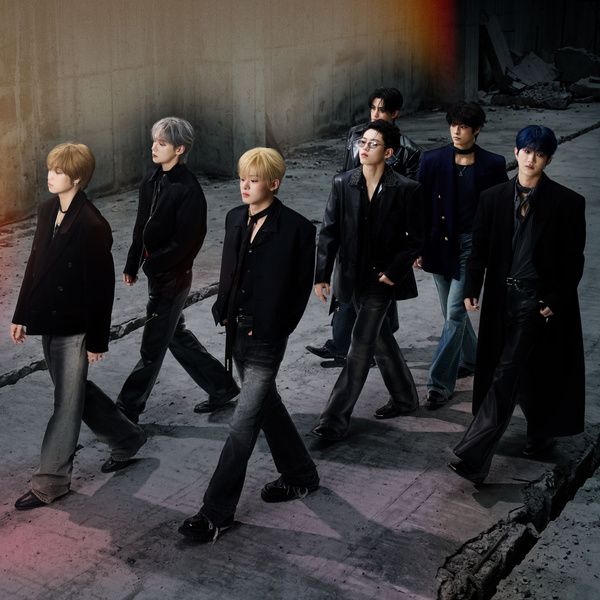
YOUNITE's “POSE!” is the title track of their eighth mini-album, INYUN Part.1, released on May 12, 2026. True to its title, the song celebrates the confidence to express one's own style, pairing a breezy house beat with polished pop melodies. The steady dance groove provides a foundation for the members' vocals to take turns in the spotlight, leading into an instantly memorable chorus. Rather than relying on heavy layers of sound, the arrangement makes its mark with crisp production and an easy, buoyant rhythm. Much like striking a confident pose in front of a camera, “POSE!” knows how to command attention without overdoing it.
The vocals stand out for their contrasting dynamics. The members articulate the rhythm sharply in some passages, then shift to a softer, more fluid delivery as the melody opens up. Light falsetto touches and a short, catchy hook give the song a fresh, breezy character. It's also worth noting how smoothly the different voices flow into one another, preserving the song's cohesion as the vocal parts change hands. Rather than leaning too heavily on emotional intensity, the members ride the beat with ease, making the chorus all the more inviting to sing along with.
At 126 BPM, according to the game's track information, “POSE!” strikes a comfortable balance between momentum and ease. The steady beat keeps the song moving, while the vocals and instrumental arrangement take turns drawing attention. When the accompaniment pulls back, the voices come into sharper focus; as the sound fills out again, the chorus regains its buoyancy. These shifts keep the repeated hook engaging. Instead of competing through aggressive sonics or explosive high notes, “POSE!” brings together a breezy beat, smooth vocals, and polished choreography to showcase YOUNITE's confident image.
■ DANG DANG - A Relentless Voyage Where EDM Momentum Collides with Metalcore's Raw Edge by ALL(H)OURS

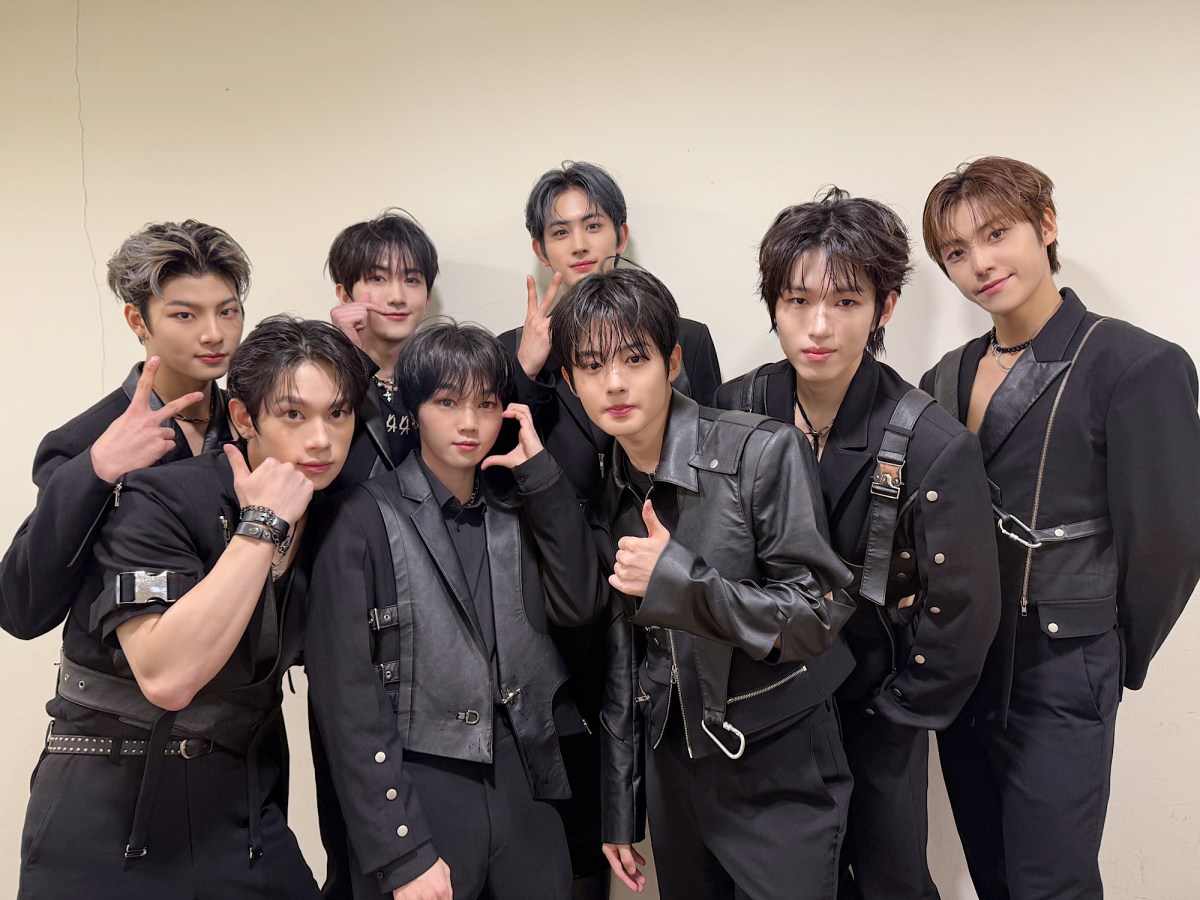
ALL(H)OURS' “DANG DANG” is one of the double title tracks from their sixth mini-album, UNBOUND, released on September 10, 2026. Blending EDM's driving rhythms with the raw textures of metalcore, the song evokes a voyage into stormy waters. The members also contributed to the lyrics, expressing a determination to face uncertainty and pursue their own destination. One of the track's defining features is its arrangement, which sets sleek electronic beats against heavy, aggressive sonics. The clash between dance music's forward momentum and rock's rough-edged intensity vividly captures the spirit of leaving familiar ground behind and heading into the unknown.
At 140 BPM, according to the game's track information, the vocals do more than carry the melody; they help drive the rhythm forward. Tightly articulated, almost spoken phrases alternate with forceful vocal lines, while the recurring “Dang-dang-di-da-di-dang” hook works almost like another percussion element. The shouted “Hell Yeah” and soaring high notes add further intensity to the chorus. One particularly striking moment comes when a relatively restrained vocal passage gives way to a heavy breakdown, releasing the tension that has been building up. The members' voices converge in the chorus, turning individual expressions into a collective force and reinforcing the track's combative spirit.
The lyrics follow a narrator who refuses to stick to a predetermined course, choosing instead to steer through rough seas on their own terms. Even when faced with fear and pain, they remain determined to reach the paradise they seek. That resolve is mirrored in the music, where EDM's relentless pulse meets the punishing attack of metal-inspired sonics. The beat maintains the song's momentum as powerful instrumental passages and vocals hit in quick succession, turning the voyage described in the lyrics into something almost physical: a struggle to push forward against the waves. The appeal of “DANG DANG” lies not simply in its intensity, but in what that intensity represents. Its message is clear: face the storm, embrace the uncertainty, and keep moving toward the path you've chosen.
■ Unity (feat. Yuri) - From Dreamy Synth Arpeggios to a Festival-Ready Drop by SEUNGKYU
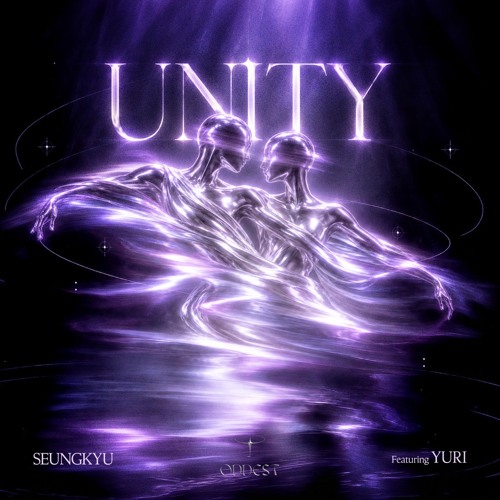
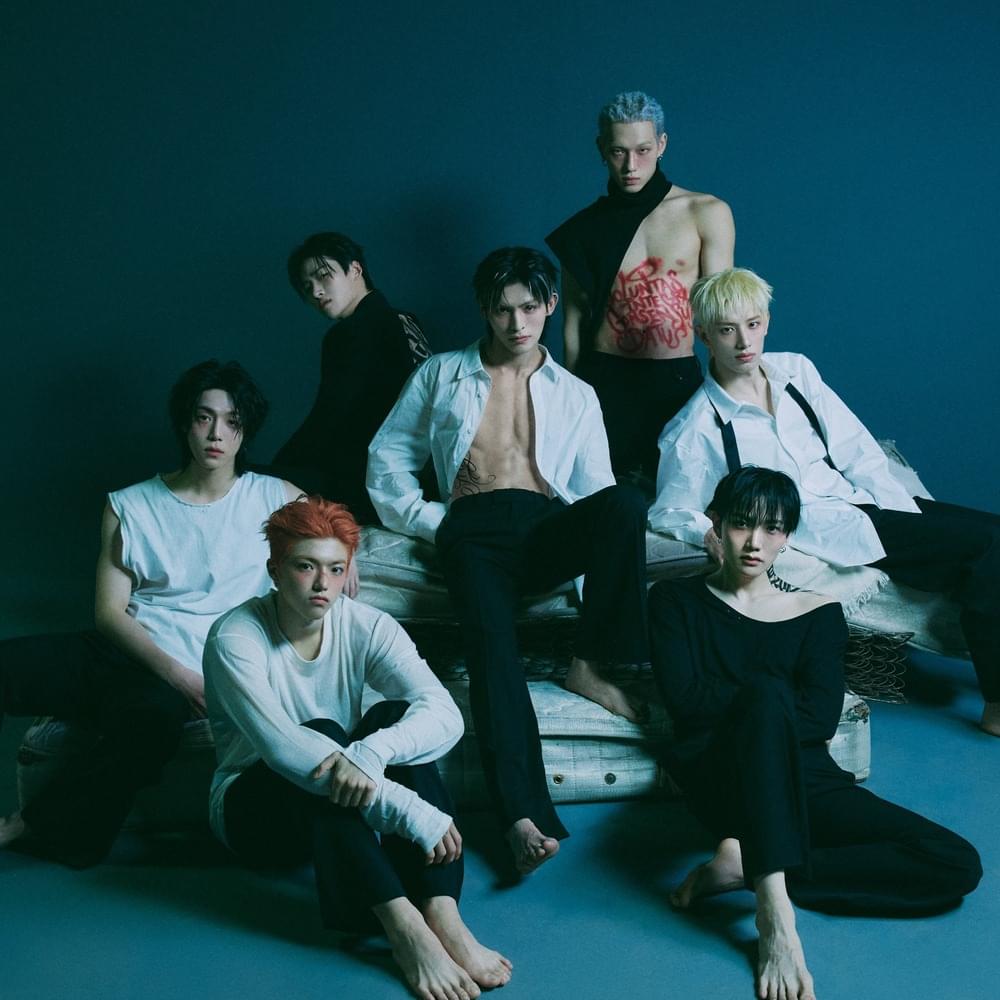
SEUNGKYU's “Unity (feat. Yuri)” is a Festival Progressive House / EDM track released on October 9, 2026. Built around a 130 BPM groove in G minor, the song opens with an emotive synth arpeggio before gradually layering in the beat and building toward the euphoric lift associated with festival progressive house. The quiet introduction establishes the song's emotional tone, while each new rhythmic layer expands that feeling into something bigger. The contrast between the wistful melody and the powerful dance beat forms the heart of the track, with anticipation building as the arrangement moves toward its drop.
The vocals give that emotional arc a human center. The desire to walk anywhere alongside someone you love unfolds over the gentle synth melody, lending the opening a tender, wistful quality. After the drop, sustained high notes raise the emotional intensity another level. One moment worth listening for comes shortly after the drop begins, when a long vocal line emerges again roughly eight bars later. Even as the instrumental grows more powerful, the voice holds its melodic shape, balancing the rush of the beat with a sense of yearning. These high notes do more than showcase vocal range; they bring the longing and hope woven throughout the song into sharper focus.
At its core, “Unity” tells the story of two people separated by heartbreak who hope to find their way back to each other. The memory of someone who has left meets the desire to reconnect, with the possibility of a new beginning gradually taking shape. The arrangement follows a similar path. Beginning with a restrained synth arpeggio, the song adds beats and melodic layers one by one, allowing emotion to accumulate before releasing it in the drop. By the final chorus, the hope of reunion has grown into the prospect of starting over. What makes “Unity” distinctive is the way it places a deeply personal story of longing and reconciliation within the uplifting framework of festival-ready progressive house.
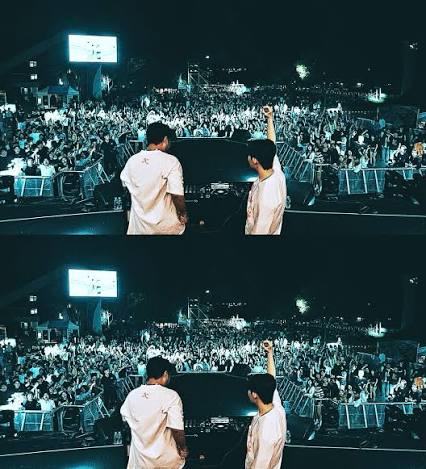
■ Don't Let Me Down - Where an Emotional Plea Meets the Drive of Dance Music by Kurt Hugo Schneider and Vidya Vox
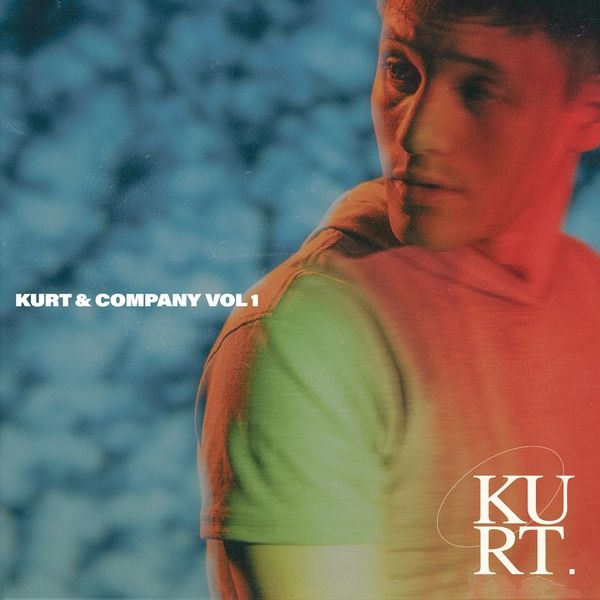
Kurt Hugo Schneider and Vidya Vox's “Don't Let Me Down” is a cover of the original song by The Chainsmokers featuring Daya. The original captures the anxiety and desperation of someone reaching out for support, and this version invites listeners to consider how those emotions are conveyed through its vocals and arrangement. Kurt Hugo Schneider is known for his arranging work and music videos, while Vidya Vox has built her sound around blending elements of Indian music with electronic production and pop. Their collaboration highlights one of the pleasures of a good cover: the chance to give a familiar pop melody a different expressive character.
The vocals bring the emotional core of the lyrics into focus. The plea not to be let down lends the melody a sense of urgency, while the recurring chorus reinforces that feeling with each return. Vidya Vox's clear, supple voice gives the melody definition while preserving the song's combination of emotional vulnerability and immediate pop appeal. Rather than automatically attributing the Indian musical influences found in some of her other work to this particular performance, it's more useful to focus on the vocal tone and melodic phrasing heard in this cover.
The song's appeal lies in the meeting of an emotionally charged melody and the forward drive of dance music. The recurring rhythm keeps the track moving, while the vocal accents and rising melody intensify the sense of urgency. Fast-paced music doesn't necessarily have to convey lighthearted emotions; here, anxiety and hope coexist, and the repeated chorus makes the central plea all the more affecting. When considering what distinguishes a cover version, it's worth looking beyond a simple comparison with the original and asking how the vocals and arrangement change the way the emotions come across. “Don't Let Me Down” turns inner turmoil into forward motion, showing how emotional pop and music made for the dance floor can work together rather than pull in opposite directions.

■ ON&ON - Subtle Vocals and Fluid Performance Over a Deep House Groove by HongEunKi

HongEunKi's “ON&ON” is the title track of his fourth single album, released on January 5, 2021. Built around a deep house groove, the song explores a relationship caught in an endless cycle of mixed signals and romantic push-and-pull. Its catchy lyrics and recurring rhythmic patterns are central to its appeal. Lee Geon contributed to the lyrics, composition, and arrangement, as well as playing bass and drums and providing backing vocals. The result is a track in which the vocals and rhythm work closely together. Rather than relying on dramatic changes in the sound, “ON&ON” draws listeners in by maintaining a steady groove and finding subtle ways to keep it engaging.
The vocal style favors rhythmic precision over showy runs or high notes. Music reviews have highlighted HongEunKi's use of falsetto and the melodic variations introduced in the second verse, along with layered vocals that add depth to the track. These details work particularly well with the repetitive deep house beat. Even when the melody doesn't stray far from its central pattern, small changes in tone and delivery keep it from feeling static. The vocals also reinforce the chorus without disrupting the flow of the accompaniment, making the relationship between the singing and the overall performance an important part of the song's appeal.
The recurring rhythm of “ON&ON” mirrors the emotional cycle described in its lyrics. The narrator cannot quite let go of the other person, and their feelings continue to grow despite the lack of resolution. Rather than using dramatic shifts in the arrangement, the song conveys that frustration through a groove that keeps coming back around. As the bass and drums maintain their pulse, subtle changes in the vocals become more noticeable, while the repeated chorus reinforces the sense of being caught in a loop. The performance follows the same principle: instead of exaggerating every movement, it relies on the connection between the beat and the body. “ON&ON” turns the pull of an unresolved relationship into dance music, balancing restrained vocals with a groove that refuses to let go.
■ Conclusion: How Repetition Builds Emotion—and the Drop Changes Everything
All five tracks in this playlist are built around recurring rhythms, yet each uses repetition to express a different emotional direction. YOUNITE's “POSE!” brings a polished sense of confidence to its house groove, while ALL(H)OURS' “DANG DANG” unleashes a defiant burst of energy through the collision of EDM and metalcore. SEUNGKYU's “Unity” builds from wistful synth arpeggios toward an uplifting drop, telling a story of reunion and renewed hope. Kurt Hugo Schneider and Vidya Vox's “Don't Let Me Down” transforms an urgent emotional plea into the driving momentum of dance music, while HongEunKi's “ON&ON” captures the circular pull of an unresolved relationship through its steady beat.
What connects these five songs is the way repetition becomes more than a recurring pattern: it becomes a means of building emotion. Each time a rhythm returns, the vocals can take on a different meaning, and as the arrangement gains layers, the feelings introduced earlier move into a new phase. In one track, this process creates confidence; in another, it becomes defiance and release. Elsewhere, it conveys the hope of reconciliation or an attachment that proves difficult to break.
In this playlist, rhythm serves both as a foundation for emotion and as the force that carries it forward. The vocals tell the story, while the arrangement determines how that feeling grows and where it reaches its peak. Although the five tracks differ in genre and approach, they share a common principle: emotion builds through recurring beats until, at a defining moment, it breaks free. Listening to them together offers more than the thrill of fast tempos or powerful production. It reveals how the same musical device—repetition—can give rise to five very different emotional stories.
ORVVITの投稿を見る