【Mstar-Archive-261001】 UNCHILD's 'UNCHILD' and 4 other tracks
 M-Archivist
■ UNCHILD - An unfamiliar energy created by rough garage riffs and psychedelic drops by UNCHILD

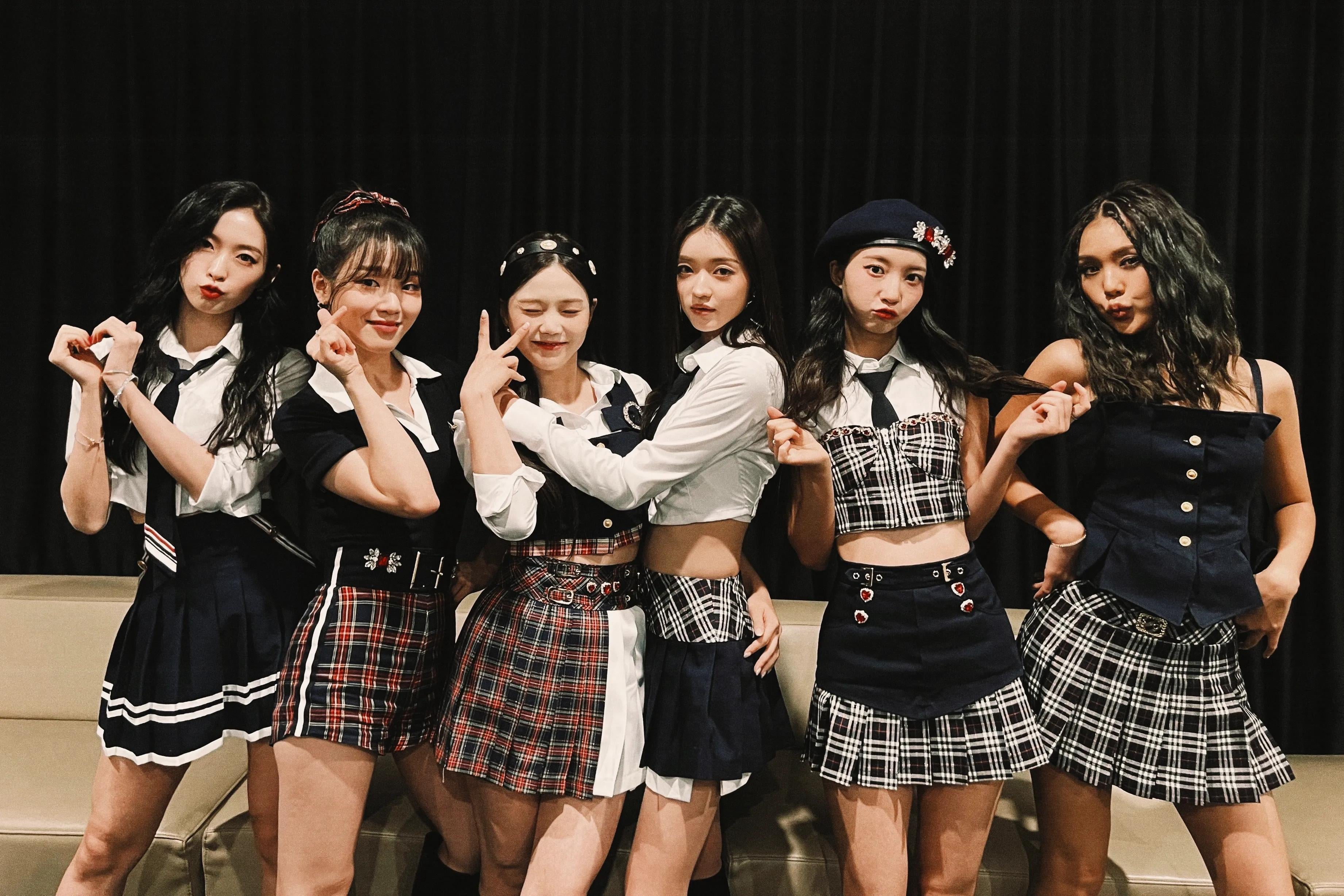
UNCHILD, a 6-member girl group presented by High-Up Entertainment, stands out right from their name. True to the prefix 'UN-', which implies breaking away from established molds, they give the impression of subtly stepping outside familiar K-pop formulas from the very moment of their debut. "UNCHILD," the title track of their debut single [We Are UNCHILD], quite honestly showcases this distinct team color. By layering a dreamy electronic texture over fiercely driving garage sounds, the song moves in directions that are hard to anticipate from the start.
Produced collaboratively by Rado, FLYT, Z4, and Maria, the first thing that catches the ear in this track is the gritty riff of the analog electric guitar. Rather than a smoothly polished guitar sound, its somewhat raw and rough texture leaves a strong initial impression. This is layered with heavy electronic sounds and low frequencies, creating a push-and-pull dynamic between the guitar and electronic elements. As the song transitions into the chorus, the mood flips once more. A powerful drop and psychedelic electronic sounds surge forward all at once, unleashing the track's pent-up energy in full force.
The vocals focus more on delivering rhythm and attitude rather than smoothly carrying a melody. The recurring "We are UNCHILD" from the very beginning sounds less like a lyric and more like a direct declaration of the team's name. Short and punchy English phrases like "Don't say no," "Don't stop it," "Do my thang," and "We go higher" follow in rapid succession in the same vein. The voices follow the melody while simultaneously becoming part of the rhythm, pushing the song forward.
This characteristic is felt even more directly in the 120 BPM Mstar chart. In particular, the rhythmic accents created by the heavy bass movement and electric guitar riffs sync up wonderfully with the tactile feedback at your fingertips. It’s a track that offers the fun of steadily stepping through every single beat, unlike songs that simply rely on speed.

■ Classified - A dreamy night where classical elegance meets Jersey Club beats by OH MY GIRL

OH MY GIRL's "Classified" is a track where the group's delicate sensibilities and fresh musical experiments meet within a single song. True to a group entering their 10th year since debut, the mood has matured significantly, yet OH MY GIRL's signature dreamy and warm sensibility remains intact. It also fits the mood well by drawing motifs from "My Doll (Hello, Play in My Dream)"—a B-track from their 8th mini-album—and framing the story of a cherished doll watching over a loved one all night like a musical reply song.
The sound crafted by Lee Joo-hyung and NILD overlaps two worlds that seemingly wouldn't belong together. At the top sit piano and classical orchestration. The melodies of the piano and strings are soft and nostalgic, as if walking through a quiet dream. Yet underneath them, the fast and intricate beats of Jersey Club keep moving relentlessly. This contrast between elegant strings and busy, racing drums creates the unique charm of "Classified."
OH MY GIRL's vocals shine with calm composure amidst this complex soundscape. The members' soft and transparent vocal tones blend together to create a uniquely mystical atmosphere within the track. Mimi's contribution to the rap making also melts naturally into the flow of the song. In particular, the chorus leading into "Sometimes I dive into your dream" is sung in a way that highlights the beauty of the melody itself rather than pushing too aggressively, striking a great contrast with the fast-moving beat.
The fast tempo of 140 BPM is another source of enjoyment in this track. In Mstar's Expert chart, the intricate rhythms characteristic of Jersey Club and the lyrical flow of the strings move simultaneously on a single screen. It is quite striking that you can follow the fast-flowing notes with your eyes while listening to the nostalgic melody with your ears.
■ Somebody - Dance pop capturing the breakless speed of youth by AIMERS
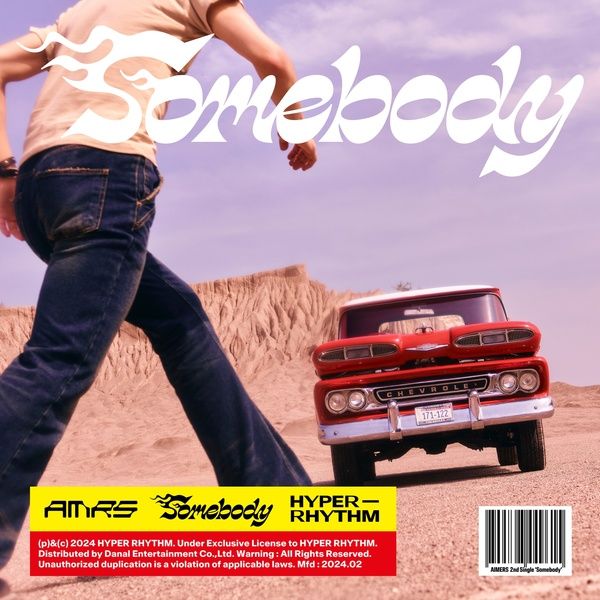
AIMERS' "Somebody" cheerfully captures the moment of racing one's heart toward someone, just as the title suggests. It encapsulates both the fluttering excitement of falling in love and the recklessness of youth running toward its dreams. AIMERS' energetic drive, moving forward unstoppably even if a bit clumsy and rough, refreshes the entire track.
Opening the song is an electric guitar riff that immediately catches the ear. Drums that oscillate between Afro-pop and hip-hop rhythms are added, making the song move quite briskly from the start. The occasional whistles and groovy basslines add an extra layer of fun. This is why lyrics like "Rollercoaster" and "Faster, riding the acceleration" don't sound like mere expressions; the music itself truly surges forward like a rollercoaster.
The vocals also help elevate the song's speed. While built upon a clear and refreshing vocal tone, they add power precisely when needed, and short ad-libs placed throughout keep the rhythm alive and moving. Recurring hook lines like "Somebody woo" and "I can be your somebody" easily stick in your head after just one listen, while short vocal bursts like "Woo," "Yeah," and "C'mon now" don't just fill empty space—they add a continuous sense of vitality to the track.
The 125 BPM Mstar chart carries over this character of the song seamlessly. Rather than being overly complex and twisted, the fun of following a fast, clear rhythm and hitting the notes comes alive. It's a track where the song's imagery of youth in full sprint naturally connects with the tactile feedback felt at your fingertips.

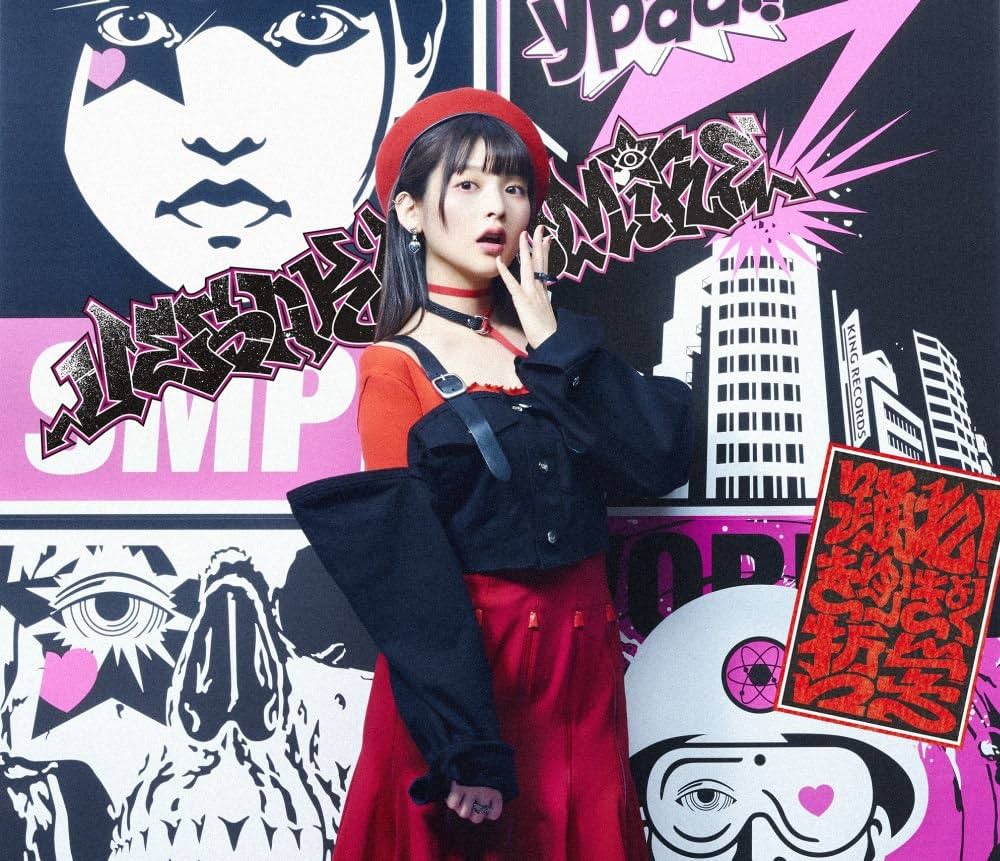
■ Odore! Kyukyoku Tetsugaku - Subculture-specific exaggeration and galloping rock sound by Sumire Uesaka

Voice actress and uniquely charismatic subculture artist Sumire Uesaka’s 8th single title track, "Odore! Kyukyoku Tetsugaku" (Dance! Ultimate Philosophy), has an extraordinary title from the get-go. Used as the ending theme for the TV anime Aho-Girl, this track lets you fully enjoy the playfulness and exaggerated expression typical of anime songs. Since Sumire Uesaka herself participated in writing the lyrics, her signature mischievousness and character naturally permeate both the words and the delivery.
The music creator collective Tsukuyomi Meeting (Yesshokukai), in charge of composition, arrangement, and programming, packed in the raw energy of punk rock alongside the intricate programming of electronic music. While guitars and rock rhythms form the skeleton of the track, electronic sounds and programming endlessly fill in the gaps. Consequently, listening to the song leaves almost no room to lazily catch your breath. The cheerful exaggeration characteristic of anime songs meets the sense of speed in rock to create a unique driving force.
Uesaka's vocals are tailored precisely to this style of music. Rather than drawing out emotions to leave a lingering resonance, she plays with each and every word like a rhythm. The repetition of "Tetsugyo shiyo! Tetsugyo shiyo!" sounds less like simple lyrics and more like a device structuring the rhythm of the track, while mimetic words like "furafura" (dizzy), "kurakura" (spinning), and "giragira" (glaring) make the pronunciation itself feel like a piece of percussion. The chorus line "Honnou wa kyukyoku tetsugaku" is also a powerful hook that stays in your mind first after listening to the song.
In the 145 BPM, Master difficulty Mstar chart, this hectic energy comes to life untouched. As you follow the rapidly pouring notes, the song's exaggerated mood transforms delightfully into fingertip fun. It's a track where accurately keeping up with a fast-paced song becomes a performance in itself.
■ Dopamine - The moment when the human body becomes an instrument by WING
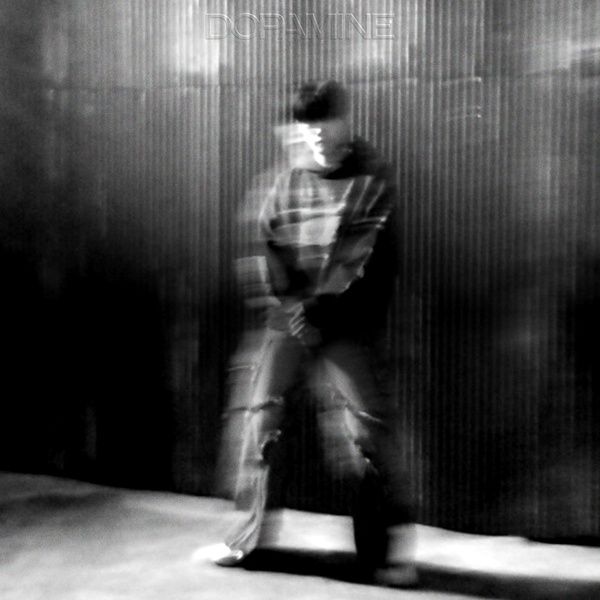
World-renowned beatboxer WING (Kim Geon-ho)’s representative work "Dopamine" creates music in an exceptionally unique way even among these five tracks. While typical electronic music easily brings synthesizers or drum machines to mind, the most important instrument in this song is none other than the human body. Having served as the 2017 Korean Champion, 2018 Asian Champion, and runner-up at the 2025 Grand Beatbox Battle (GBB), WING creates a density of sound close to electronic music using only his voice and vocalization.
Listening closely to the song, a variety of sounds emerge—ranging from kicks, snares, and percussion to the heavy floor-laying Throat Bass. Yet the starting point for all these sounds is WING's body. By layering different sounds produced in his mouth and vocal tract, he builds a structure that sounds like a single electronic music track. In particular, the flow of building tension during the buildup and exploding it all at once in the drop demonstrates that beatboxing is not merely a skill mimicking rhythm, but can become a method of production in its own right.
Vocals also play a different role here compared to standard pop music. By repeating concise phrases like "Dopamine," "Dopamine now," and "Can you feel it now?", he uses the voice itself like a sample. Rather than telling a lengthy story through song, he places the voice between the rhythm and sound to continuously propel the song's flow.
Looking solely at the number 107 BPM, this might feel like a relatively relaxed track in this playlist. In reality, however, it is anything but. Finely partitioned beatbox rhythms and the deep low end of the Throat Bass overlap to create quite intricate movements. Even when playing it in Mstar, it's a track that delivers a different kind of tactile punch, distinct from mere fast speed. The joy lies in feeling each layer of sound one by one rather than simply chasing the tempo.

■ Conclusion : The voice is no longer just an instrument for singing
Genre-wise, the five tracks encountered in this week's Mstar Archive are situated quite far apart from one another. From rough garage electronic pop to classical Jersey Club, refreshing dance pop, anime rock, and beatbox electronica created entirely by the human body—these are pieces hard to bundle under a single genre.
Yet listening to these five songs in sequence reveals a subtle, recurring commonality: the voice is not merely used as "a voice that sings melodies."
In UNCHILD's "UNCHILD," the voice functions simultaneously as a declaration shouting out the team's name and as another rhythm driving forward between rough guitars and electronic sounds. In OH MY GIRL's "Classified," the soft vocal tones of multiple members overlap, carving out a delicate space between strings and club beats. AIMERS' "Somebody" utilizes repeating hooks and short ad-libs to accelerate the velocity of youth even further.
In Sumire Uesaka's "Odore! Kyukyoku Tetsugaku," the very manner in which words are pronounced becomes the music itself. There are moments where rhythm strikes the ear before meaning, and playfully repeated mimetic words feel akin to drums or percussion. Finally, upon reaching WING's "Dopamine," this potential expands into its most extreme form. Kicks, snares, percussion, and Throat Bass—all the sounds we are accustomed to hearing in electronic music—are entirely generated by the human body.
Ultimately, across these five tracks, the voice no longer stays confined to melody. At times it is as rough as a guitar, at times as dreamy as a synthesizer, and at times it subdivides the beat like drums. In WING's music, it even serves as an instrument and a tool for creation in its own right.
Playing music in Mstar is perhaps akin to this very evolution. It's because sounds we once only listened to are seen as notes before our eyes and tapped directly with our hands, making us a part of the music. Through five completely distinct tracks, this playlist prompts us to reconsider the simple yet fascinating truth that "the voice can also be an instrument." It is also a collection of five tracks that quite intriguingly showcases just how far that potential can stretch.
View posts on ORVVIT