【Mstar-Archive-261008】 SUNMI's "You Can't Sit With Us" and 4 Other Tracks
 M-Archivist
■ You Can't Sit With Us - SUNMI's cynical vocals sharper than ever amidst dazzling synths by SUNMI
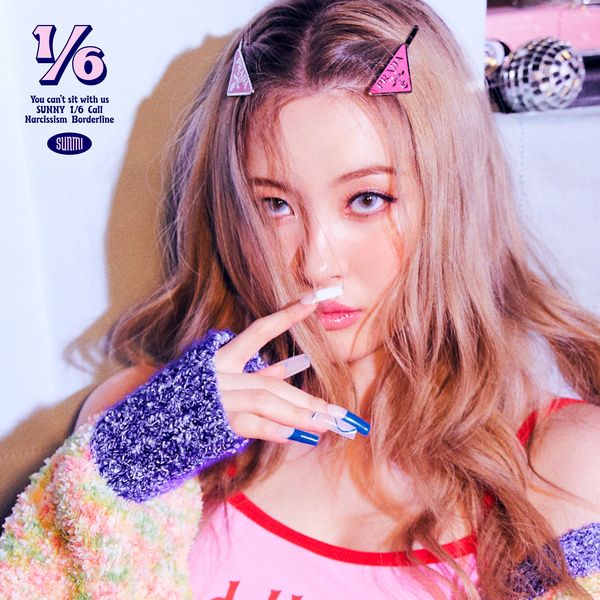
SUNMI’s "You Can't Sit With Us" is the title track from her 2021 mini-album 《1/6》, combining a brisk 145 BPM tempo with the vibrant colors of 1980s synth-pop and dance-pop. As the song begins, thick synthesizers and a fast-pumping beat immediately capture your attention, but the most fascinating part is SUNMI’s vocals riding right on top of them. Rather than pushing through with sheer force, she maintains a light, airy, and seemingly effortless tone while cleanly clipping the ends of her phrases. In the chorus especially, the repetitive melody is treated with a relatively dry delivery, creating a striking temperature contrast with the flamboyant instrumentation. NME similarly noted that the 80s-inspired sound creates energy without ever overpowering her vocals.
The instrumental features a fast-paced interplay of bright vintage synth textures, a heavy kick, and tightly chopped rhythms. The momentum of the track becomes even sharper with the English rap verse in the second half. What makes it intriguing is the juxtaposition between the upbeat, exhilarating music and the cold, detached attitude of the vocalist. It’s as if a "bright and exciting song" and the "speaker’s utter weariness toward their partner" exist simultaneously within a single track. SUNMI avoids resolving this conflicting mood through exaggerated singing, anchoring it instead with her signature thin and composed tone. Thus, the true charm of this song lies not just in the dazzling synths, but in SUNMI’s vocals, which maintain their unwavering composure amidst the spectacle.

■ One & Only - The most dreamy plateau of the ethereal, crafted through whispers and spatial depth by LOONA (GoWon)
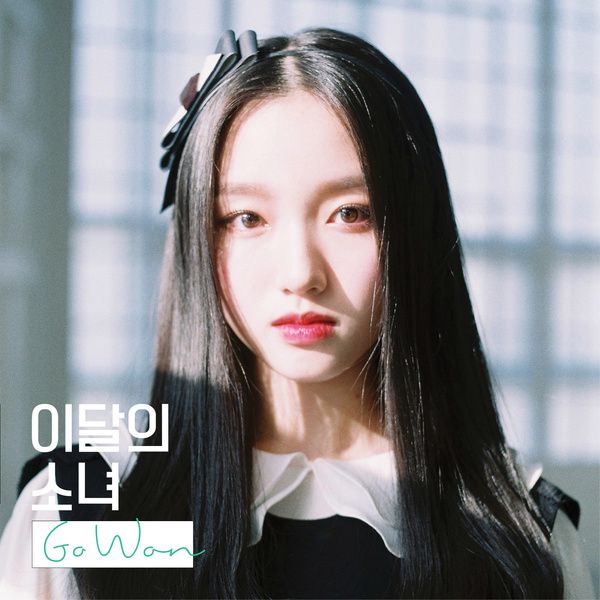
GoWon’s solo track "One & Only" is a single released in 2018, blending contemporary R&B, future bass, and synth-pop elements centered around dance-pop. However, what makes this song unforgettable is not its genre, but the "negative space" within the sound. Rather than being densely packed with instrumentation, synthesizers and electronic sounds spread out widely, with GoWon’s light, clear voice drifting through the gaps. Instead of heavily leaning into high notes with immense power, she floats them delicately, offering a charm entirely distinct from songs that flaunt powerful vocals. In particular, her vocals—blending short syllables with audible breaths—make her timbre linger in the mind far longer than the melody itself.
The track’s arrangement and programming were handled by Darren Ellis Smith, with credits listing guitar, keyboard, and drum programming. Even as these elements overlap over the electronic-centric accompaniment, the presence of actual instruments never violently pushes to the foreground. Instead, it creates the impression of tiny sounds arranged at a careful distance from one another. Because of this, GoWon’s vocals don't sound like a "voice singing upfront," but rather like another ambient sound floating within the sonic space. "One & Only" is captivating not because GoWon dominates the track with overpowering volume, but because she embraces her lightweight timbre without hiding it, turning that seemingly fragile texture into the song’s most defining atmosphere.
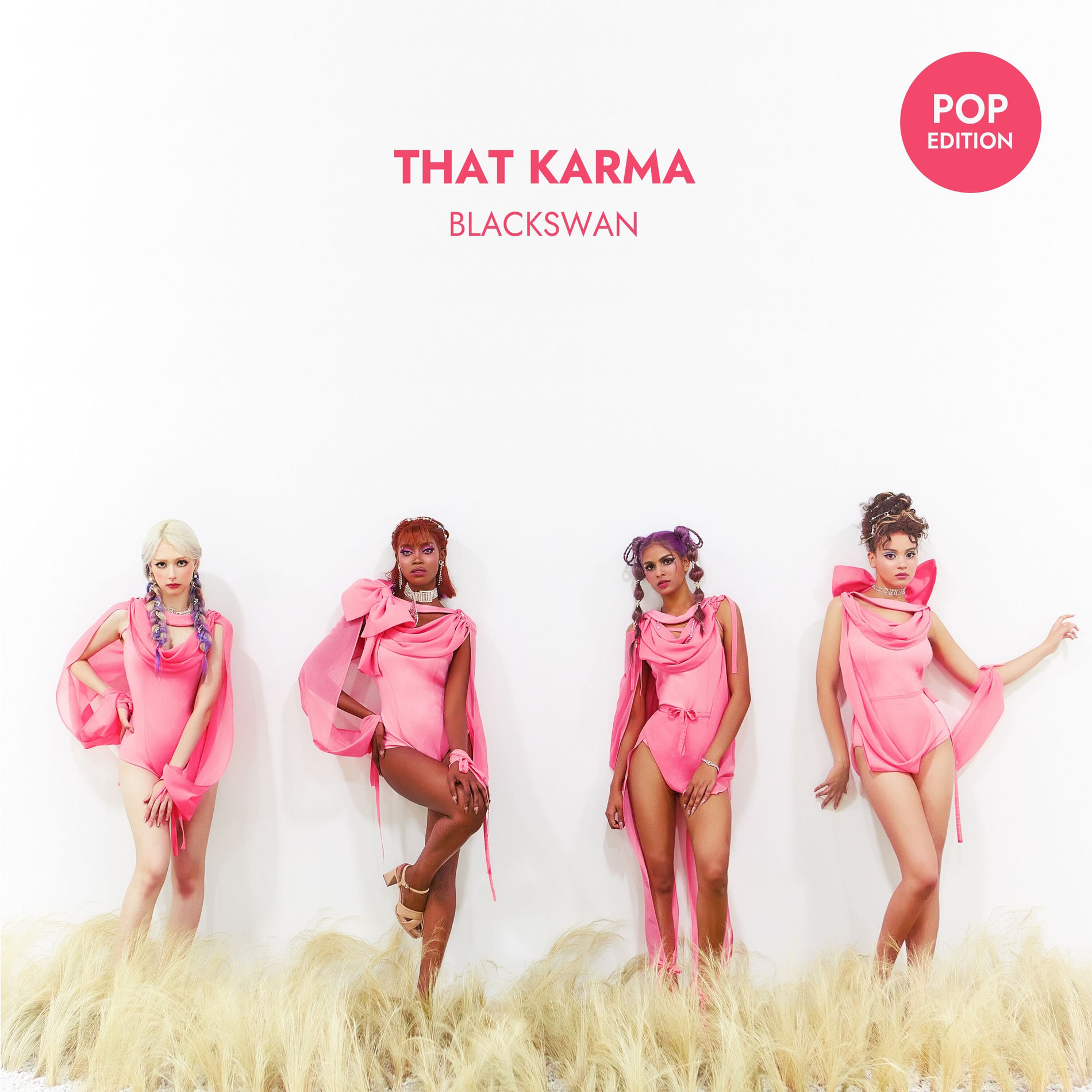
■ Karma - BLACKSWAN's performance-driven vocals pushed forward by short, punchy phrases
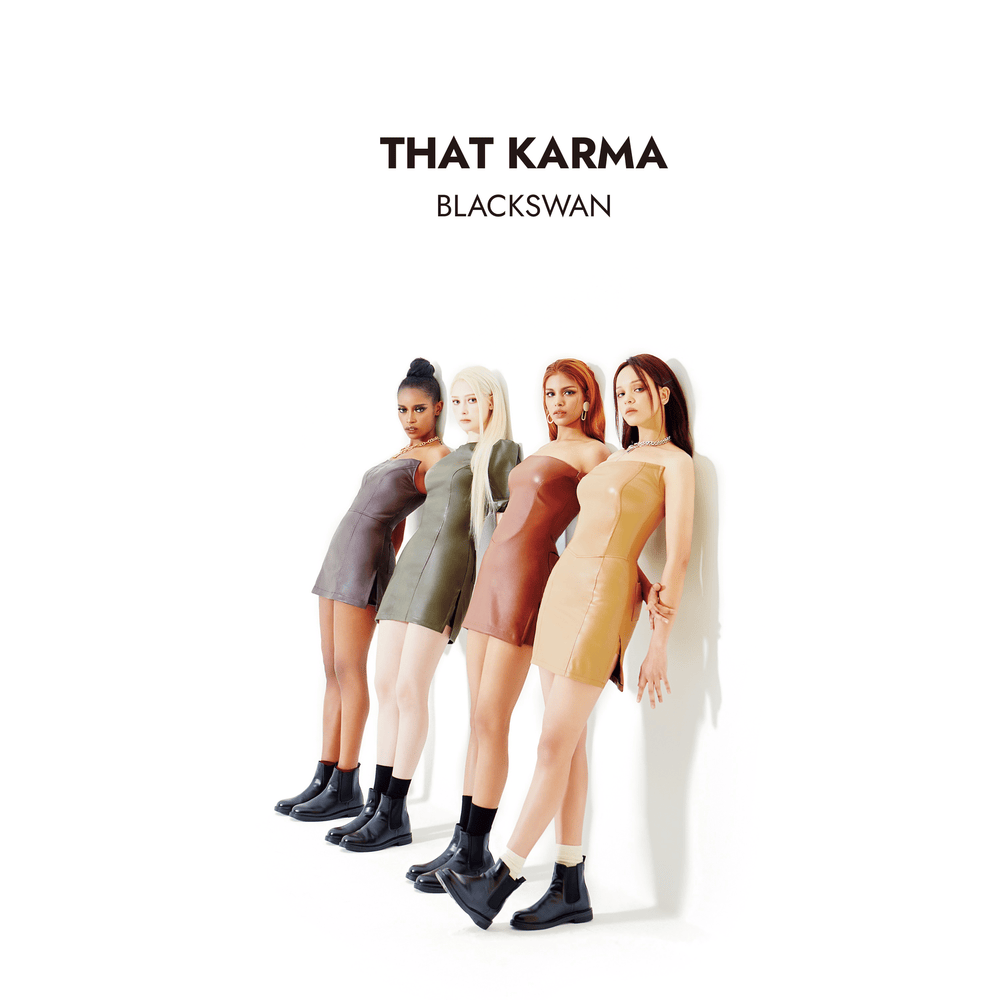
BLACKSWAN’s "Karma" is the title track of their single album 《That Karma》, released in May 2023. Alina Smith, Gisselle Acevedo, Shark, A Wright, and JEDI participated in its composition, with arrangement handled by Shark, A Wright, and JEDI. Rather than unfolding melodies over long, sweeping breaths, the vocals here rely on rapid-fire exchanges of short phrases to build the track’s rhythm. The chorus, driven by the repetitive hammering of the word "karma," is so direct that you can practically envision the choreography just by listening. It feels less like individual members showcasing their extended vocal tones and more like multiple voices stitching together to form a single, aggressive momentum.
Musically, the focus isn't on intricate instrumental appreciation, but rather on the driving propulsion generated by the beat, bass, and electronic sounds. Introducing the track as a trendy release that highlights BLACKSWAN's performance capabilities, DR Music emphasized its "international sound," reflecting the group's multinational composition. Consequently, it is nearly impossible to separate the vocals from the choreography in "Karma." The clipped syllables, repetitive hooks, and hard-hitting beats all sound as though they were engineered with bodily movement as a prerequisite. Particularly as the song approaches its latter half, there are moments where the word "karma" ceases to function merely as a melody and instead operates like a percussion instrument. This is precisely where BLACKSWAN’s distinct identity shines: here, the voice is simultaneously a medium for singing and a rhythmic subdivision driving the performance.
■ Fire - KiHyun's rock vocals where raw guitars and explosive high notes collide head-on by KiHyun
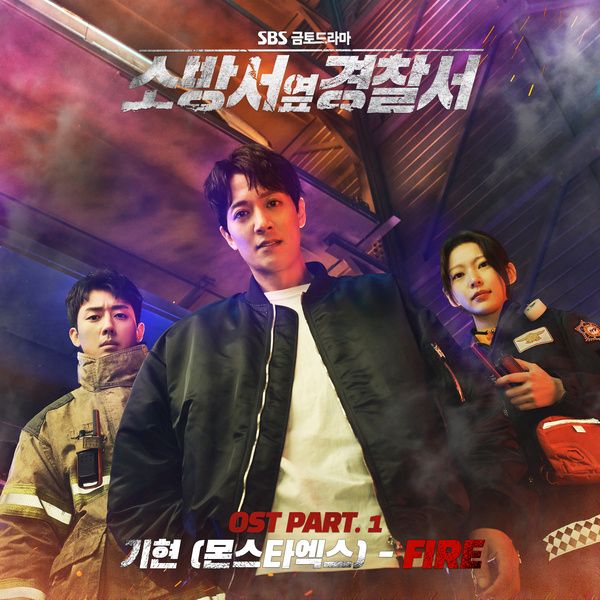
KiHyun’s "Fire" is featured as Part 1 of the OST for the SBS drama The First Responders, built on a foundation of alternative rock combined with the high-octane drive of EDM. From start to finish, the track places KiHyun’s greatest strengths—his refreshingly soaring high notes and powerful projection—front and center. As the song transitions into the chorus, both the volume and vocal range escalate; yet, more impressive than simply hitting high notes is how his diction and pitch remain crystal clear amidst the roar of gritty guitars and electronic beats. Compared to his usual refreshing and pristine tone, this is a much more muscular approach to singing, yet he avoids making the sound indiscriminately rough. That is because his razor-sharp high notes firmly anchor the center of the track.
The credits list arrangement and keyboards by CUZD and guitar performance by Han Duk-yong, and the song itself is introduced as a fusion of high-energy alternative rock and EDM sounds. The guitars handle the raw, gritty textures characteristic of rock, while electronic sounds and heavy drums aggressively propel the tempo from behind. With KiHyun stretching his high register endlessly over this backdrop, the entire track creates a persistent sensation of hurtling forward. This is precisely why the song generates such a blazing atmosphere, fittingly reminiscent of its title, "Fire." Unlike ballad-style OSTs that gently build emotional tension before a final explosion, this track imposes a sense of tension right from the opening seconds and mounts KiHyun’s voice squarely atop it. Ultimately, this kind of hard-hitting, head-on rock vocal is where KiHyun truly thrives.
■ Kimochii - Dharni creates beats and playfulness simultaneously using solely the human voice
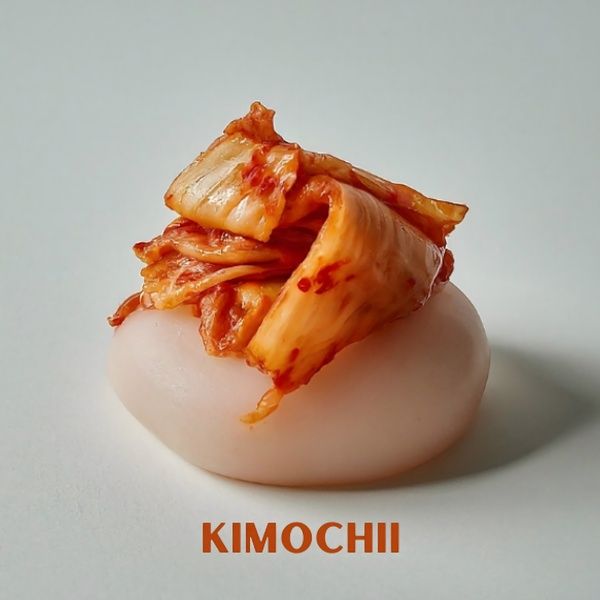
Released on February 29, 2024, Dharni’s "Kimochii" is a single that packs the core appeal of beatboxing into a brief running time of roughly two minutes and twenty seconds. Dharni is credited as the sole vocalist, while composition was a collaborative effort between Dharni, Clayheart, and Sinzo. The most intriguing aspect is how the boundaries between vocals and accompaniment practically vanish. Low, weighty sounds resonate like a bassline, sharply clipped enunciations function as kicks and snares, and various vocalisms and sound effects rapidly layer on top. Rather than the feeling of a human singing, it continuously evokes the sensation of a single person playing a compact drum machine and multi-effects processor simultaneously.
Dharni is a beatboxer who claimed consecutive championship titles at the Grand Beatbox Battle in 2013 and 2014, with Swissbeatbox introducing him as a "two-time GBB Solo Champion." Hearing "Kimochii" with that background in mind makes the rapid shifts in his vocal expressions all the more fascinating. Instead of holding out a single syllable to convey emotion, he weaponizes the shape of his enunciation and dynamic contrasts as rhythmic ingredients. Layered with wordplay reminiscent of the Japanese word kimochii (feeling good) right down to the title, alongside repetitive vocal phrases, the entire track assumes a playful and mischievous atmosphere. The true charm of "Kimochii" doesn't lie in mimicking instruments; rather, it momentarily makes you forget the very notion that instruments and vocals ever needed to be separate in the first place.
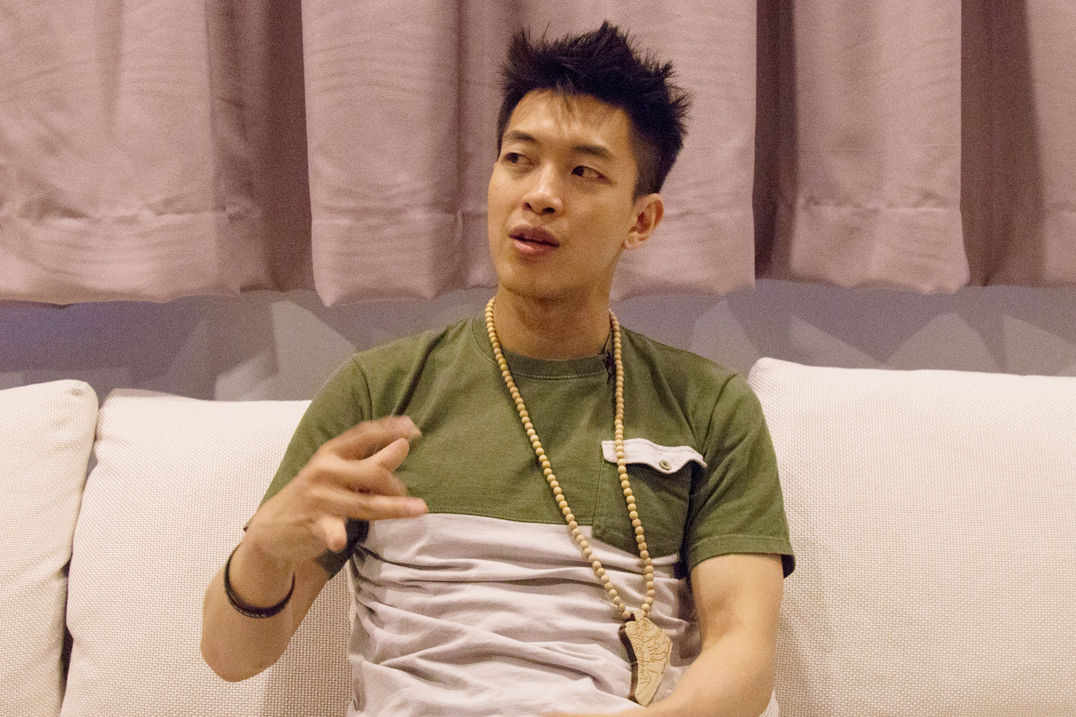
■ Five Faces of Vocals Through Five Tracks
The five tracks introduced here vary significantly in both genre and vocal style. In SUNMI’s "You Can't Sit With Us," we encounter vocals that maintain a distinct persona amidst dazzling synths; in GoWon’s "One & Only," we find a method of filling spatial depth with subtle breaths and a lightweight timbre. BLACKSWAN’s "Karma" chops the voice up like rhythm to utilize it as part of the performance, while KiHyun’s "Fire" is driven by powerful high notes that collide head-on with rugged guitars. Moving on to Dharni’s "Kimochii," the voice transcends boundaries to take on the roles of drums, bass, and sound effects altogether.
Ultimately, what connects these five tracks is a diverse approach to vocal utilization that cannot be simply explained away by the phrase "they sing well." Some voices construct characters, some sculpt spaces, and others generate rhythm and energy. And in cases like Dharni, the voice itself expands into an instrument in its own right. The more the genres shift, the more the methods of employing vocals transform—and these five tracks articulate those distinct differences with striking clarity.
前往ORVVIT查看貼文